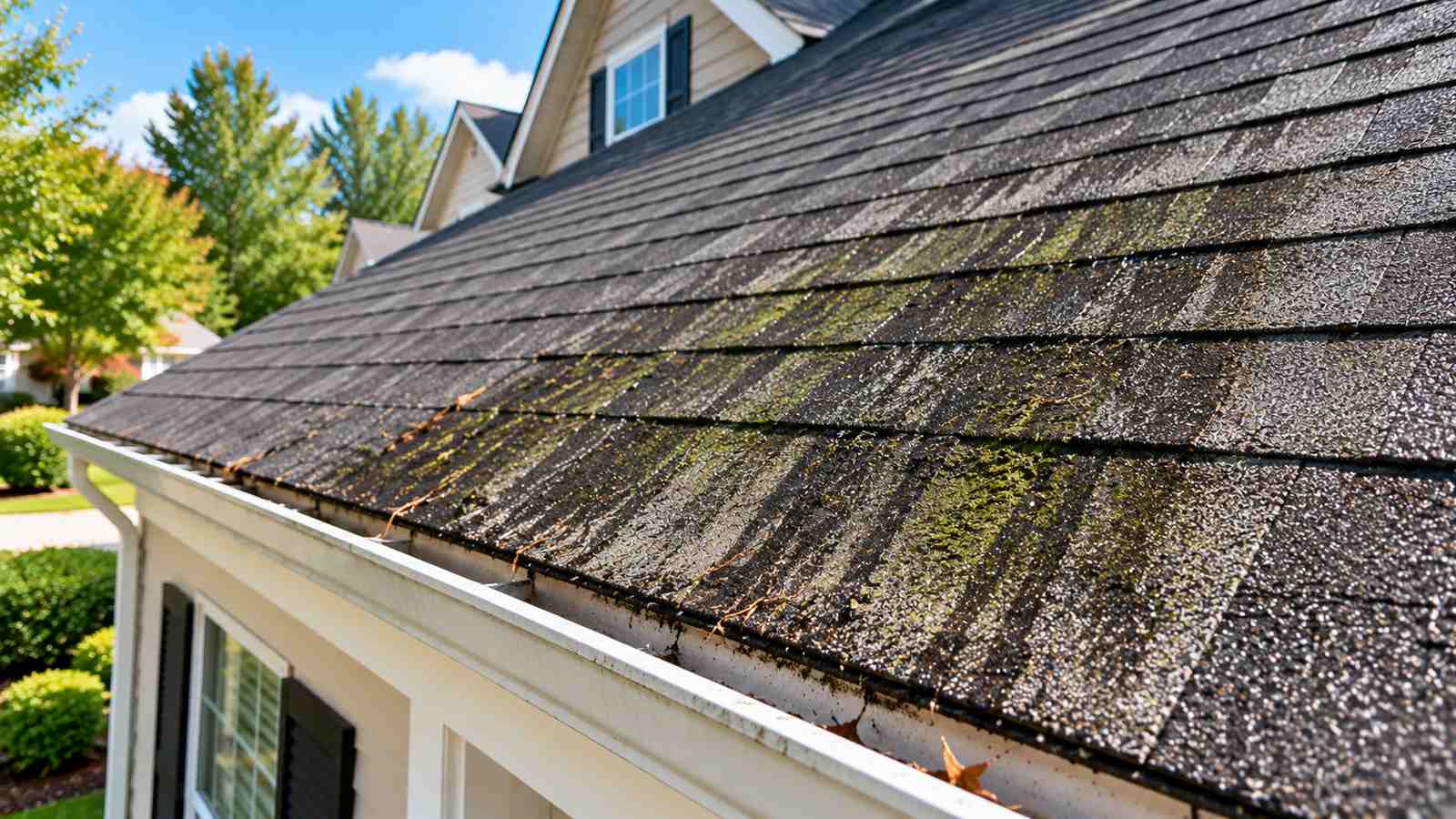
Most people who search for roof pressure washing want the dark streaks gone. We get that. On asphalt shingles the streaks are usually a cyanobacterium called Gloeocapsa magma, which feeds on the limestone filler in the shingle and spreads on the wind, as the Asphalt Roofing Manufacturers Association explains. Tile, flat, and metal roofs grow algae and mildew of their own.
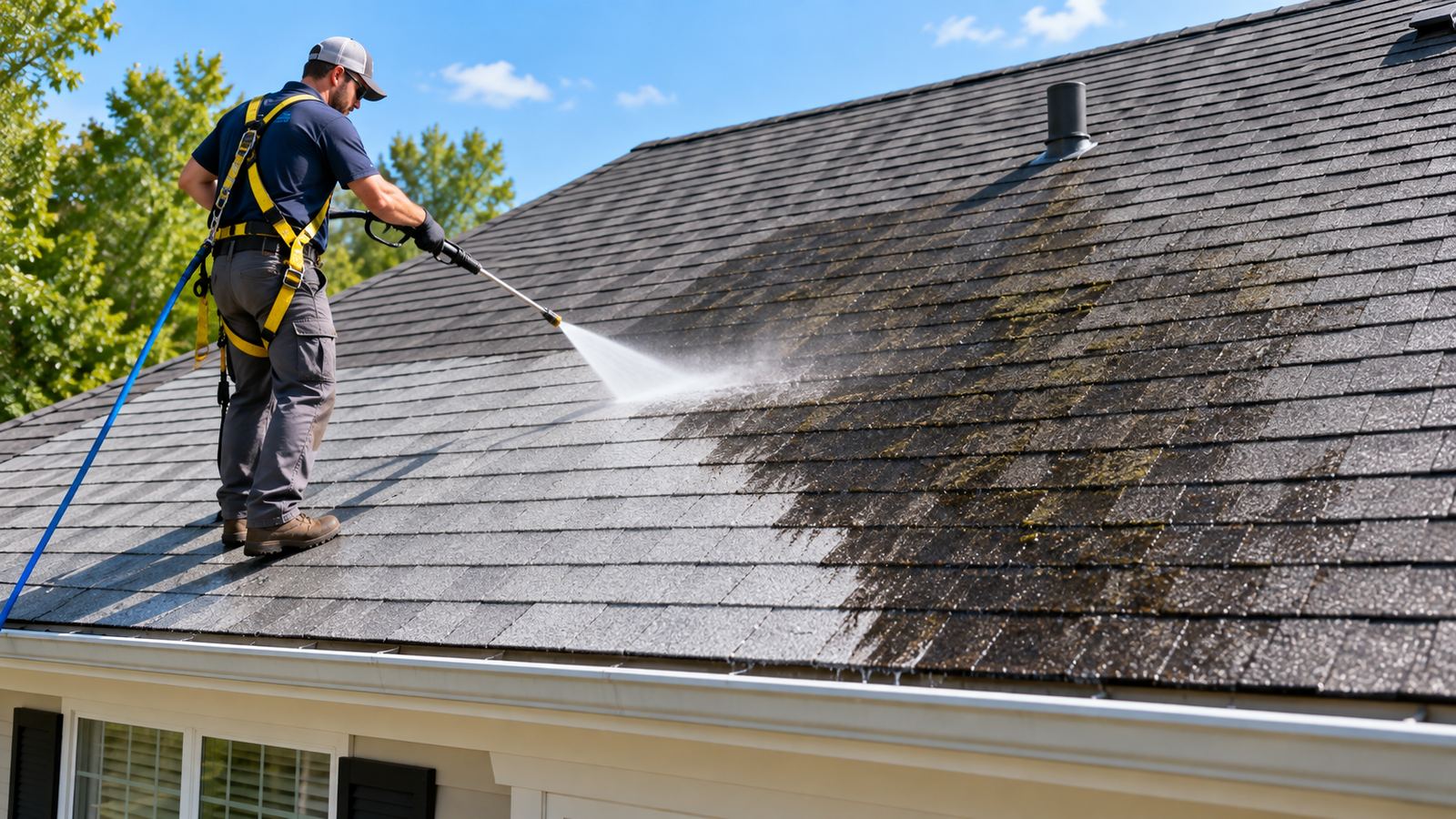
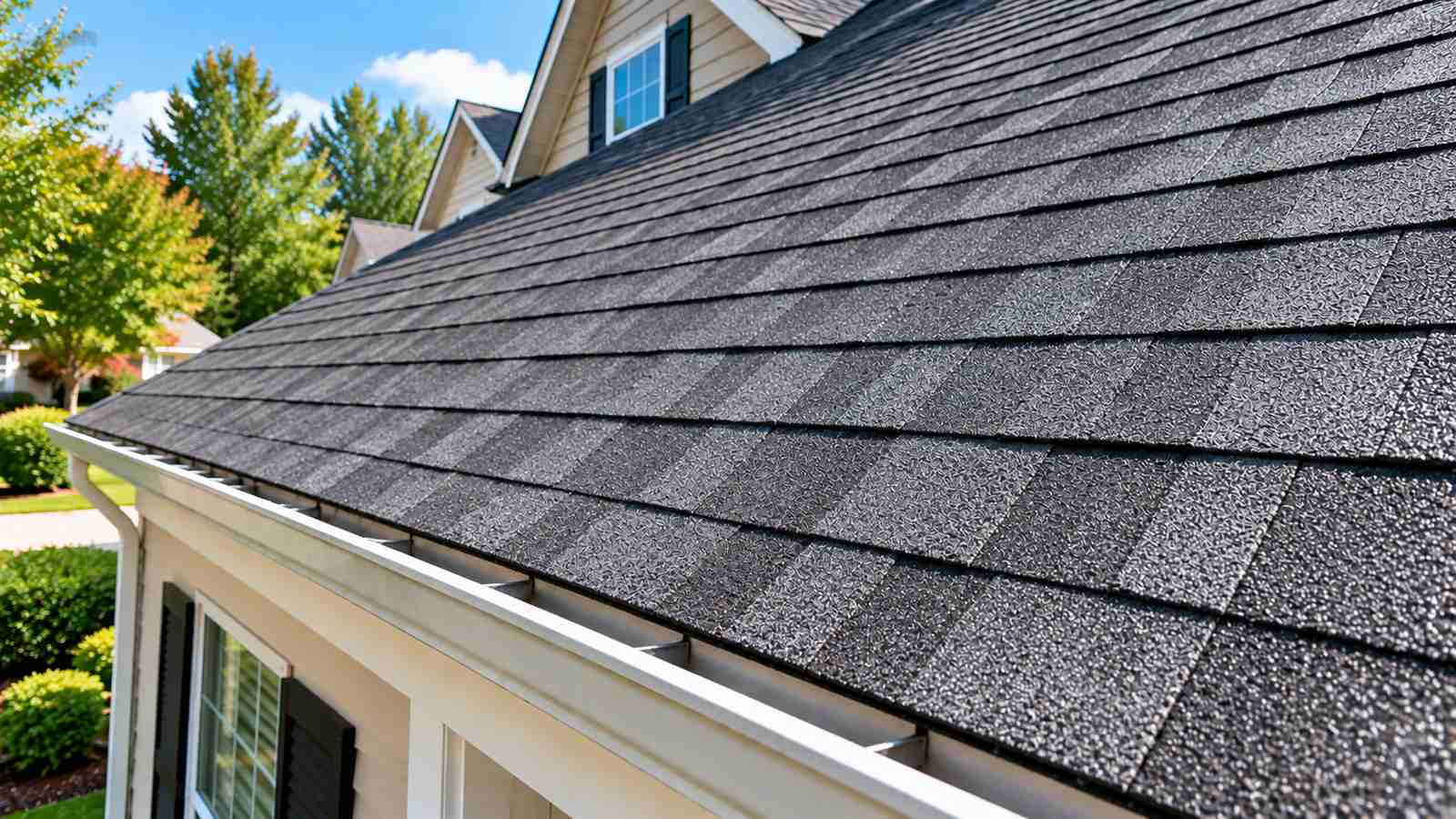
High pressure takes the protective surface off and can push water under the roof. We use a soft wash instead: low pressure, and a roof-safe cleaner that does the actual work.
High-pressure blasting compared with low-pressure soft wash on a roof| On your roof | High-pressure blasting | Our low-pressure soft wash |
|---|
| Shingles | Knocks off protective granules. | Granules stay in place. |
|---|
| Algae and mildew | Roots stay and streaks return sooner. | Cleaner kills growth at its base. |
|---|
| Water intrusion | Can force water under the roof surface. | Gentle flow that follows the way rain runs. |
|---|
| Tile, flat, and metal | Can chip tile and scar coatings and membranes. | Safe on tile, flat roofs, metal, and shingle. |
|---|
Concrete and clay tile are common on Miami roofs, along with flat roofs and some shingle and metal. Humidity and shade grow algae and mildew on all of them. On tile we limit pressure, choose a cleaner that is compatible with concrete, and step where the tiles overlap, because tile cracks when it takes weight in the wrong place.
Miami-Dade and Broward counties form Florida's High-Velocity Hurricane Zone, and roofing products installed there need a Miami-Dade Notice of Acceptance. We clean roofs. Repairs and re-roofing belong to a licensed roofer.
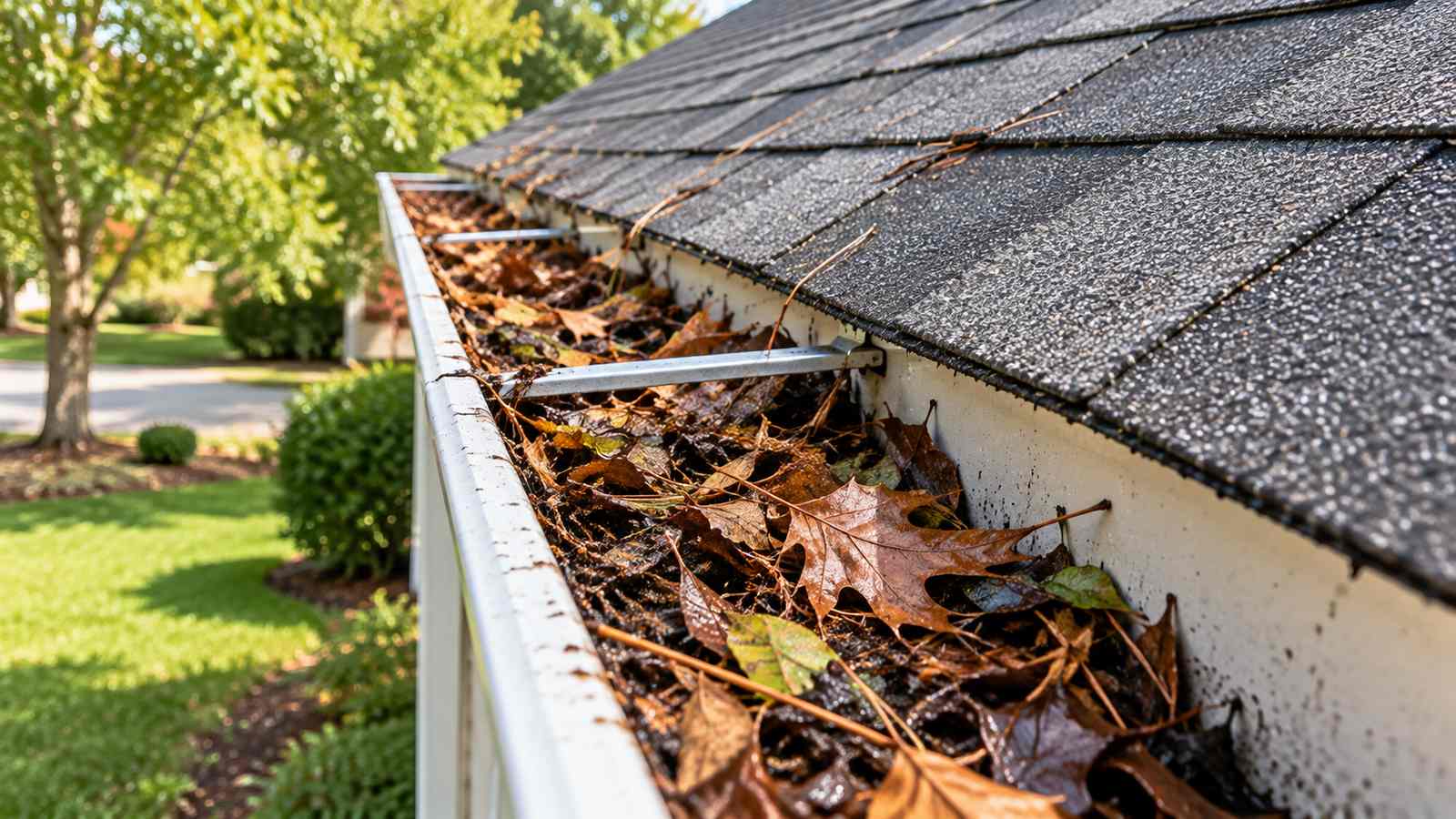
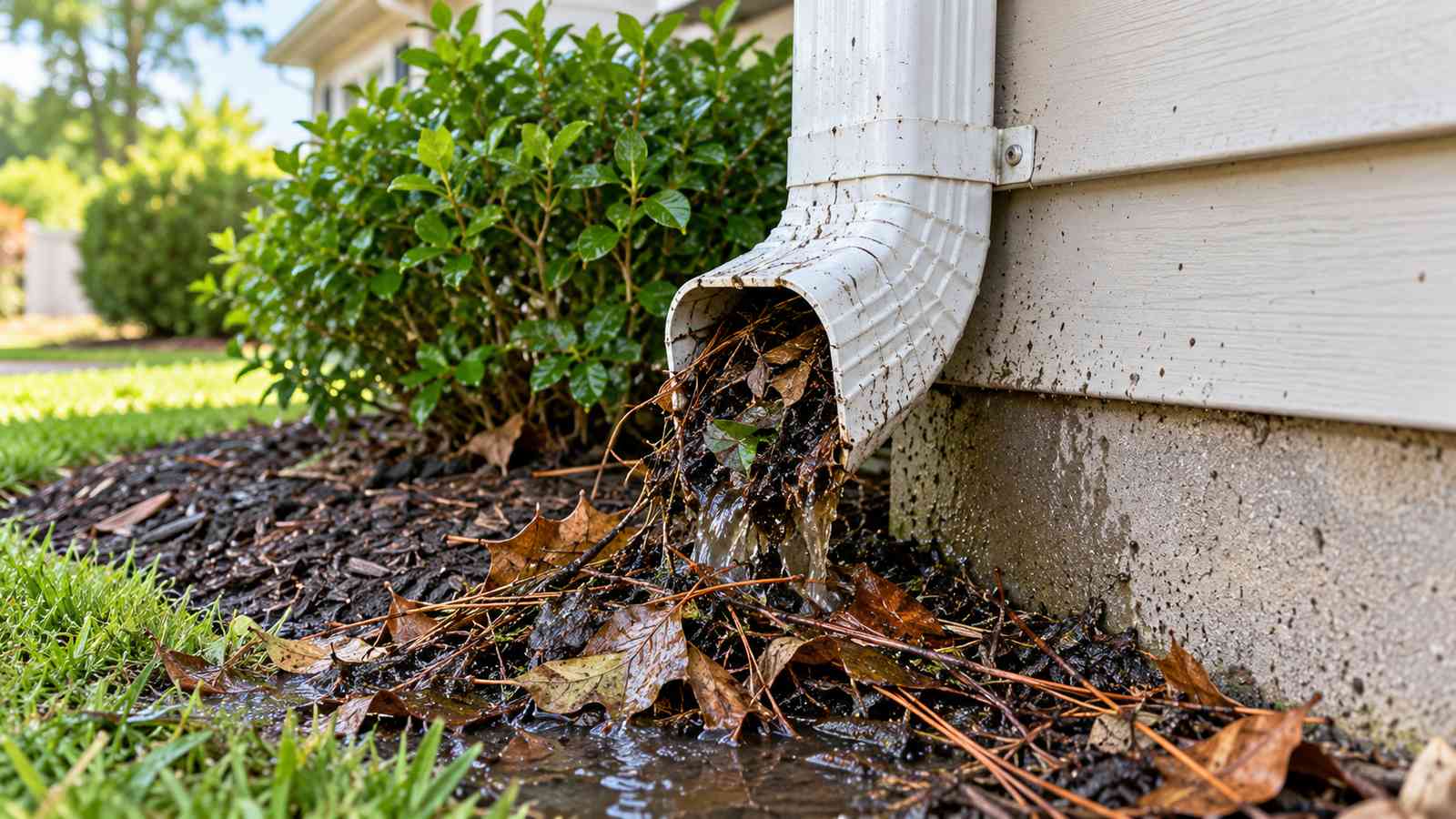
Most roofs do well with a wash every two to three years. Shaded slopes and roofs under trees grow algae faster and may need it sooner. A damp, algae-covered roof also sheds more grit into the gutters below, which is one more reason we handle both in a single visit.
See how our roof washing works in Miami